Arroyo Grande · Grover Beach · Pismo Beach · San Luis Obispo County
24/7 Dispatch · (805) 291-8940
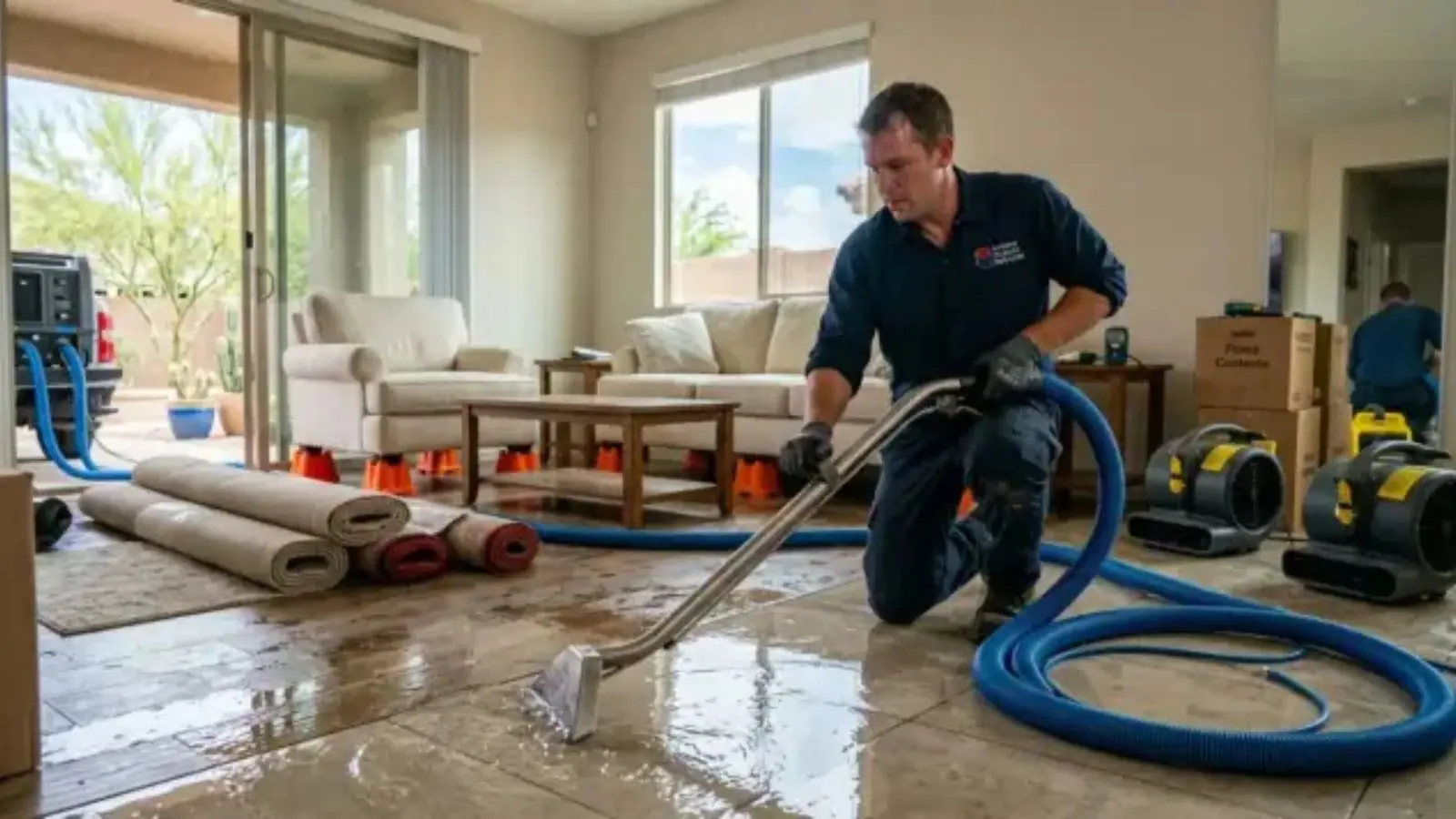
Restoration technician using a wet vacuum on a flooded living room floor with air movers running
24/7 Emergency Dispatch

Water Damage Restoration in Arroyo Grande, CA

Burst pipe, failed water heater or creek water at the door? The emergency line is answered 24/7, and we send licensed and insured restoration crews across Arroyo Grande and the Five Cities.

  • Licensed and insured
  • Scope and price explained before work
  • 24/7 dispatch

Arroyo Grande Coverage Snapshot

Dispatch line24/7
Home baseArroyo Grande, CA
Nearby towns5
Work standardANSI/IICRC S500
Licensed and Insured
Scope and Price Explained First
24/7 Emergency Dispatch
Serving Arroyo Grande and Nearby Towns

Active Water Damage Right Now?

The dispatch line is answered 24 hours a day, every day of the year.

Call (805) 291-8940

What water damage restoration means in Arroyo Grande, CA

Water damage restoration is the work of stopping water at its source, pumping out what has pooled, drying the structure and contents, and repairing whatever could not be saved. In Arroyo Grande, CA, our dispatch line at (805) 291-8940 connects homeowners in ZIP 93420 with licensed and insured restoration professionals who do that work. The line is answered 24/7, because a supply line does not fail on office hours.

We are a dispatch service, not a crew in a van. You call, we ask what is wet and where it came from, and we send the right professionals. Scope and price are explained before work starts, and same-day response is offered when available.
How a restoration job runs, step by step

Every job is a little different, but the order rarely changes. The early steps are covered by water mitigation and emergency water removal, and the later ones by cleanup and repair.

  1. 1

    Stop the source

    Shut off the main water valve or the fixture valve, or tarp the roof opening. Nothing else works while water is still arriving.

  2. 2

    Pump and extract

    Extraction units pull standing water off the floor, and weighted tools draw it out of carpet and pad.

  3. 3

    Map the moisture

    Moisture meters and a thermal imaging camera show wet drywall, baseboards and subfloor that look dry to the eye.

  4. 4

    Dry the structure

    Air movers and LGR dehumidifiers run until readings return to a dry standard, which is checked and logged each visit.

  5. 5

    Clean and sanitize

    Debris and ruined materials go out, and surfaces are cleaned and treated. Water damage cleanup covers this stage.

  6. 6

    Rebuild

    New drywall, insulation, flooring and paint go in once the framing is dry. That is water damage repair.

Services

What We Handle in Arroyo Grande

Water Mitigation

Stop the damage in the first 24 to 72 hours: shutoff, extraction start, moisture mapping and drying setup.

View service →

Water Damage Cleanup

Remove water, debris and contaminated materials, then sanitize and deodorize the affected rooms.

View service →

Water Damage Repair

Rebuild after drying: drywall, insulation, flooring, paint and cabinets.

View service →

Flood Damage Restoration

Storm, creek and groundwater flooding, basements, and Category 2 and 3 water.

View service →

Emergency Water Removal

Standing water pumped out now with extraction units, so it stops soaking into the structure.

View service →

Mold Remediation

Containment and removal after moisture, following ANSI/IICRC S520 practice.

View service →
Water actively spreading?

The emergency line is answered 24/7, every day.

Call (805) 291-8940

When water damage is an emergency

Treat it as an emergency when water is still running, when it is spreading across more than one room, when it came from a toilet or drain, or when it is near outlets, the panel or a ceiling that is sagging. Waiting for morning rarely helps. Wet drywall and insulation hold moisture, and the longer they stay wet, the more of them tend to need replacing.

While you wait for the crew, shut off the main water valve, turn off power to the wet areas only if you can reach the panel without stepping in water, lift valuables onto furniture or counters, and keep people and pets out of any water that may be contaminated. If you smell gas or see sparks, call 911 or the utility first and call us second.

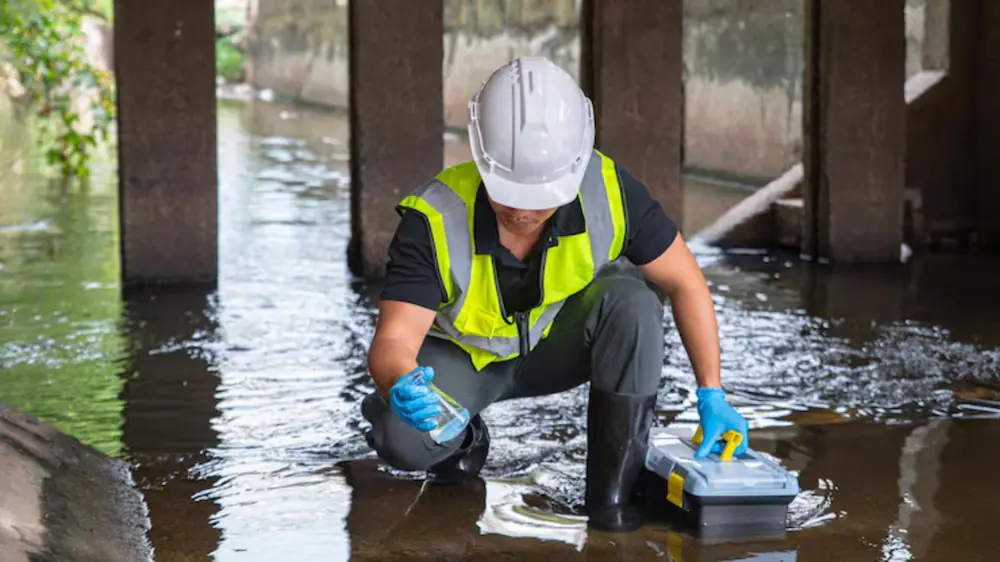
Technician in a hard hat and safety vest checking equipment in knee-deep floodwater

Causes we see in Arroyo Grande homes

Most losses start small and indoors. A few start at the creek, which is why flood damage restoration sits on the list too.

Burst or leaking supply lines

Braided washer hoses, toilet supply lines and under-sink fittings fail quietly behind cabinets and walls.

Appliance failures

Water heaters, dishwashers and refrigerator ice-maker lines can empty into a kitchen or garage in an afternoon.

Roof and window leaks

A storm-season leak often shows first as a brown ring on the ceiling, with wet insulation sitting above it.

Slab and drain trouble

A slab leak raises damp spots under flooring, and a backed-up drain pushes dirty water into the lowest room.

Creek-side flooding exposure

Homes near Arroyo Grande Creek face a different risk than homes on higher ground, covered below.

From The Village to the creek: where local details matter

The Village is the city's historic downtown, with shops and museums that hold stock, paper and displays close to the floor. If you run a business there, lift inventory onto shelving and photograph everything before the crew starts, because contents are often the slowest part of a claim to document.

Arroyo Grande Creek runs through the city, and the 171-foot Swinging Bridge in Centennial Park, built in 1875 and reopened in August 2024 after restoration, crosses it. Walk down to the creek after heavy rain and you can see how close the water sits to neighborhoods. If you live nearby, find your address on the FEMA Flood Map Service Center now, not after a storm.

Larger public rooms make a different point. The Clark Center for the Performing Arts has a 617-seat Forbes Hall, and a room that size holds a huge volume of air to dry. Your living room is smaller, but the lesson holds: tell dispatch the square footage and ceiling height, because that decides how many dehumidifiers the crew brings.

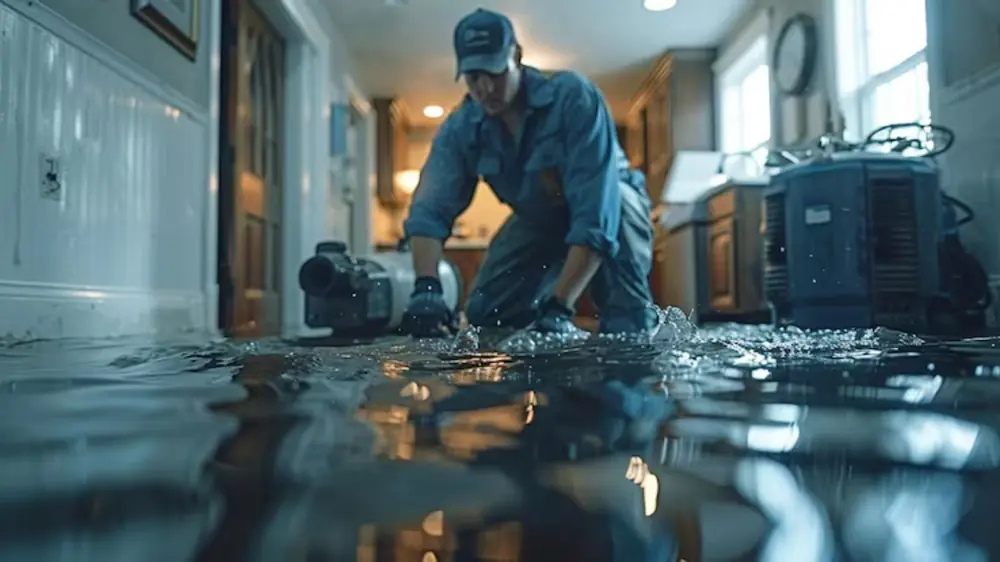
Technician running a water extraction unit in a flooded kitchen

What the county levee tells you about flood risk

The county's Arroyo Grande Creek Channel was built in 1961 and designed for 50-year flood protection, with extra freeboard that allows up to a 100-year flood at 10,000 cfs before overtopping. The county notes that development has reduced that protection. A flood that was a 50-year event in 1955 is now estimated to occur every 15 to 20 years.

A 3.5-mile levee system confines the creek from Los Berros Creek to the Pacific, maintained by the San Luis Obispo County Flood Control and Water Conservation District. After the severe 2023 winter storms, the district removed about 11,500 cubic yards of sediment. A project completed in 2020 is designed to carry 5,400 cfs. County Public Works can be reached for the Storm and Flood Preparation flyer and the Channel Flooding Evacuation brochure.

The practical point is insurance. Flood damage is usually excluded from standard homeowners policies and needs separate flood coverage, so check your policy before the rain, not after it.

Insurance documentation: what to photograph and keep

Sudden and accidental water damage is often covered by homeowners policies. Gradual leaks and neglect often are not. Ask your insurer what applies to you, and build a record while the damage is fresh.

  • Wide and close photos of every wet room, including the ceiling, walls, baseboards and floor, taken before anything is moved.
  • A photo of the source: the split hose, the corroded fitting, the roof stain or the failed appliance.
  • A written list of damaged furniture, electronics and clothing, with photos of labels and serial numbers where you can find them.
  • The plumber's or roofer's invoice, plus receipts for anything you buy to protect the home.
  • Dated notes on who you called and when, including your landlord if you rent.

Scope and price explained before work starts

No honest company can quote a number without seeing the water. What decides the price is predictable, though, and you can ask about each factor.

FactorWhat changesWhy it moves the price
Water categoryClean supply water, gray water or sewageDirtier water means more removal and sanitizing
Affected areaOne room, several rooms or a whole floorMore area means more equipment and more labor
MaterialsTile, hardwood, carpet, drywall, cabinetsSome dry in place and some must come out
Drying daysNumber of air movers and LGR dehumidifiers, and days runningEquipment is typically billed by the day
Rebuild scopePaint touch-up or full drywall, flooring and cabinetsRepairs follow drying and are scoped separately

Want your real number? Call (805) 291-8940.

Restoration is not waterproofing, and not a plumber

Restoration dries and repairs what water already reached. It does not make a basement, crawl space or slab watertight, and it does not fix the cause. A crew can dry a wall, but it will not replace the corroded valve that soaked it.

Call a plumber for pipes and fixtures, and a roofer for flashing, shingles and skylights. Then call us for the wet materials. If the work needs a contractor, California requires a license for jobs of $1,000 or more in combined labor and materials, and you can check any license on the CSLB website.

Service area: ZIP 93420 and the Five Cities

Our home base is 1231 E Grand Ave, Arroyo Grande, CA 93420, in San Luis Obispo County. From there, dispatch reaches Grover Beach, about 3 miles northwest, and Pismo Beach, about 5 miles west. Oceano is about 4 miles southwest, and the Oceano page covers the lagoon and levee exposure there.

Farther out, Nipomo is about 7 miles south and San Luis Obispo is about 14 miles north on State Route 227. See the full service area for ZIP codes, or browse every service we dispatch.

What to do before you call

Do these only if they are safe, and skip any step that puts you near standing water and electricity.

  • Stop the source if you can reach it, such as the shutoff valve under a sink or the main valve for the house.
  • Do not touch outlets, switches or appliances while standing in water, and call 911 or the utility for any electrical or gas risk.
  • Lift furniture legs onto blocks and move small valuables, rugs and electronics to dry rooms.
  • Photograph the water, the source and every damaged surface before anything is moved.
  • Keep people and pets out of water that may be contaminated, then call the 24/7 line at (805) 291-8940.

Common Questions

What does water damage restoration include?

It covers stopping the source, extracting standing water, mapping moisture, drying the structure, cleaning and sanitizing, and rebuilding what was removed. Not every job needs every step. A clean supply-line leak caught early may need only drying.

How soon should I call after a leak?

Call as soon as you find it, day or night. The line is answered 24/7, and the earlier drying equipment is running, the more of your drywall, baseboards and flooring can often be saved.

Is my water damage covered by homeowners insurance?

Sudden and accidental damage is often covered, while gradual leaks and neglect often are not. Flood is usually excluded and needs separate flood coverage. Check your policy or ask your insurer, and photograph everything first.

Do you serve ZIP 93420 and the nearby towns?

Yes. Dispatch is based in Arroyo Grande, CA 93420 and serves Grover Beach, Pismo Beach, Oceano, Nipomo and San Luis Obispo. Call (805) 291-8940 and tell us your address.

Should I call a plumber, a roofer or a restoration company first?

Stop the water first, using your main valve if needed. A plumber or roofer fixes the cause, and a restoration crew dries and repairs what got wet. When water is still spreading, call the emergency line right away and arrange the trade work in parallel.

Can restoration waterproof my basement or crawl space?

No. Restoration repairs damage after water gets in. Keeping water out is a separate job involving grading, drainage and sealing, so ask a qualified contractor about that.

How do I know a company follows industry standards?

Ask whether its crews work to ANSI/IICRC S500 for water damage and S520 for mold. Both are published industry standards, and a good company will explain how it follows them.

Where We Work

Nearby Towns We Serve

Water Spreading Right Now?

Call the 24/7 line for emergency water damage dispatch across Arroyo Grande and the Five Cities.

Call (805) 291-8940

Our Service Area

Dispatch runs from Arroyo Grande across the Five Cities and out to Nipomo and San Luis Obispo.